Turkish Military Equipment - Get paid to complete your degree and get help with HELP fees under Defense University Also, you will be guaranteed employment as a mechatronics and electrical engineer after graduation. Turkey's first main battle tank is the German-built Leopard 2. Developed in the 1970s, the Leopard 2 is a contemporary of the American Abrams.
The Leopard 2 has advanced composite matrix armor, a 120 mm softbore gun and a 1,500 horsepower diesel engine. The Leopard 2 was designed for the West German Army, giving it reliable tank power against Soviet Union and Warsaw Pact forces, and at its peak the Bundeswehr operated 2,100 Leopard 2 tanks.
Turkish Military Equipment

After the fall of the Soviet Union, the Turkish army was reduced from about 370,000 to 260,000 and became a purely mechanized force. The Turkish Air Force is the most powerful in the region with around 300 F-16 fighter Falcons
Todays Turkish Defense Industry
Also, the Turkish Navy is the largest in the Eastern Mediterranean, with more than 100 submarines and naval brigades. Most of the equipment of the Turkish military is produced abroad, but the country is currently trying to create its own military industrial infrastructure.
Turkey is developing domestically produced tanks, missiles and rockets and expanding ties with foreign defense contractors. Turkish companies have been subcontractors for the F-35 joint strike fighter, and Turkey is currently developing its own fighter jet.
With this in mind, we present five powerful weapons in the Turkish army. The work, the adventure, the exciting career opportunities, and the great comrades - there's so much to love about life in the military.
Whether you want to learn a new skill, qualify for fully paid training or take on a new challenge, you'll find it in the Army. In 1921, the General Directorate of Military Materials was established The Organization and Industry of Arms and Ammunition was discussed for the first time at the Economic Congress of Izmir.
In 1924, a small arms and artillery repair facility and other ammunition and carpentry facilities in Ankara; A new ammunition factory in Ankara in 1924; The capsule factory at Kayash in 1930; In 1931, Krikkala Power Station and Steel Plant;
 Source: cdn-live.foreignaffairs.com
a facility for guns, rifles and artillery in 1936; In 1943, a gas mask factory was established in Mamak In addition, the established Nuri Kılığıl facility near the Halych area of Istanbul; In 1930, it was one of two private arms manufacturers
The facility, which produced pistols, 81 mm mortars and their ammunition, explosives and pyrotechnics, assisted the Turkish Armed Forces during World War II. The B61 nuclear bomb is under the strict control of the US military, and safeguards are almost impossible for anyone other than US forces operating under National Command.
Turkish forces have no access to US personnel command and control during and after the war For this role, you must have completed at least twelve months of a four-year Electrical, Electronics, Mechatronics and Software Engineering degree, but you can start the selection process if you have completed at least six months.
You must also be an Australian citizen and successfully obtain a security clearance In the 1970s, the Research and Development Department established in 1954 under the Ministry of Defense put the development of weapons and equipment on the agenda of the Turkish Armed Forces, and the development of the defense industry was revived.
Turkish President Recep Tayyip Erdogan said on February 21, "We have national technology in many areas of the defense industry. We are successfully eliminating many internal and external threats through local and national production. If we need someone else's help in Afrin, we will not."
Stay in this position now. "Over the past decade, Turkey has invested in the defense industry and increased its military capabilities. In line with internal and external threats to its national security, Turkey has become one of the leading exporters of military equipment, including heavy weapons, in the region. The first step to establishing a defense industry in Turkey dates back to the Ottoman Empire.
Defense industry until the 17th century lagged behind technological advances in Europe from the 18th century and completely lost its influence after World War I. The Turkish Armed Forces conducted Operation Euphrates Shield in northern Syria from August 2016 to March 2017, and the current Syrian branch of the YPG and the PKK
 Source: greekcitytimes.com
Operation Olive Branch against the country in Afrin, northwest Syria, is in the middle. Turkey's defense industry has stepped up to the global market in the export of domestically produced weapons. According to the Stockholm International Peace Research Institute (SIPRI), Turkey increased its arms exports by a remarkable 145 percent between 2013 and 2017, which
The highest expectations in the world System has increased. The first major step in the aviation industry was the establishment of an aviation facility in Ankara in 1941 by the Turkish Aviation Association. The factory, which began production in 1944, produced the 80 Mile Magister training aircraft, a twin-engine ambulance THK-10 light transport aircraft, 60 Ugur two-seat trainers and a variety of gliders.
The first aircraft engine factory was established in Ankara in 1945 and production began in 1948. Various facilities were established in Malatya in 1942-43 for the purpose of repairing and maintaining aircraft purchased from Great Britain during World War II.
In the post-World War II era, efforts to develop a domestic defense industry slowed due to increased foreign aid; Turkish Armed Forces orders from local suppliers declined, so the military facilities became part of the Machinery and Chemical Industry Corporation (MKEK), which was established as a state-owned enterprise on March 15, 1950.
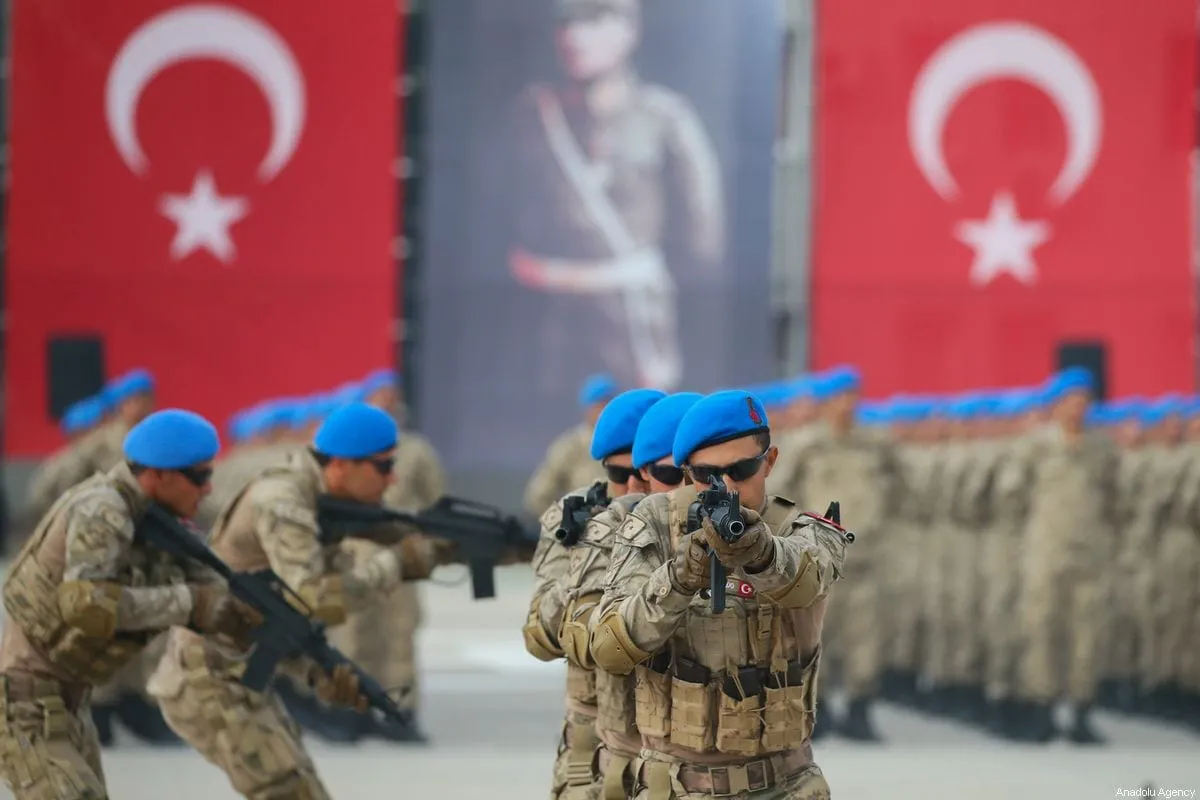
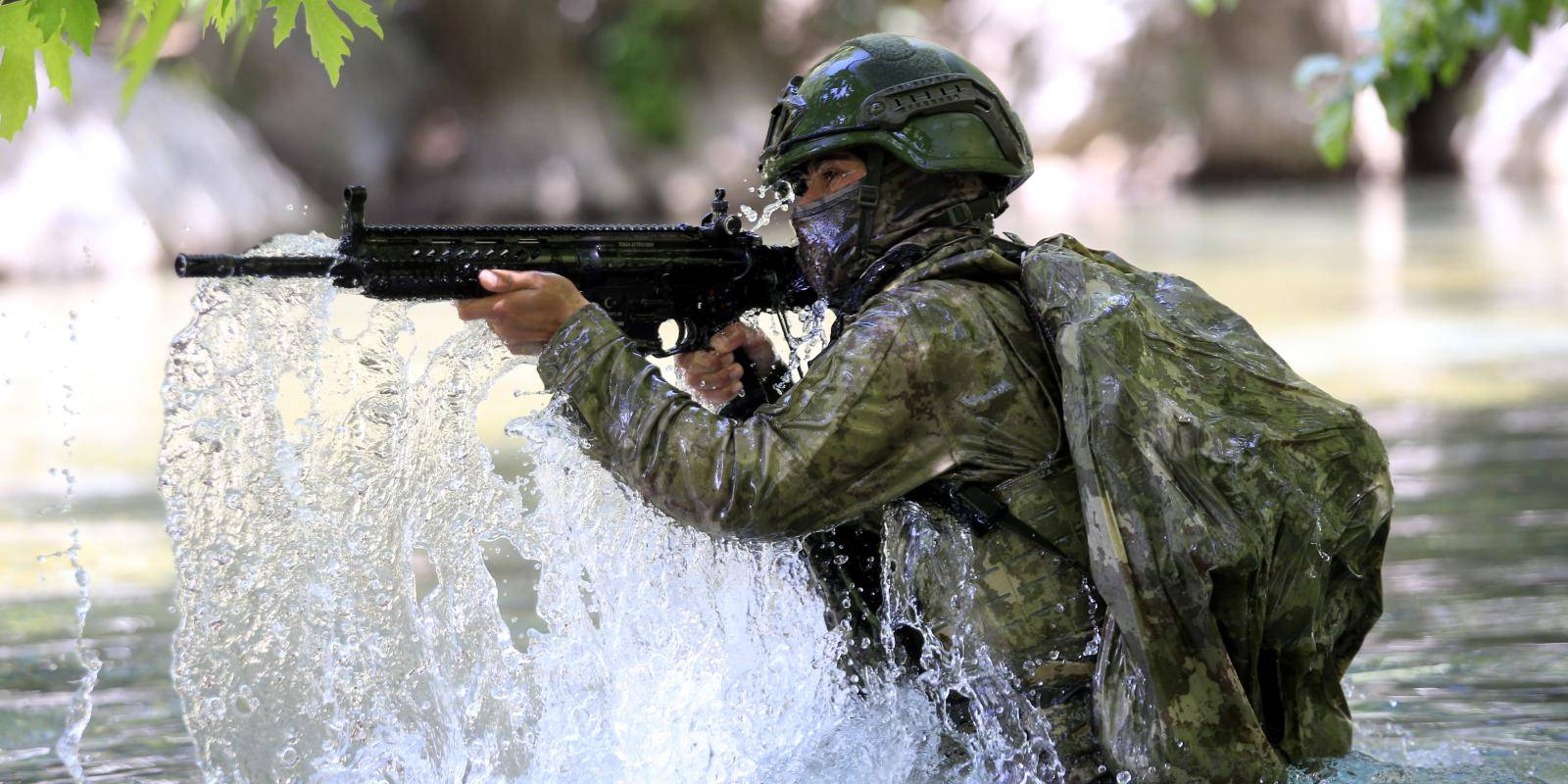
Traversing two continents, Turkey has the most powerful armed forces in Europe or Asia Ankara's armed forces are divided into more than four hundred thousand army, air force and navy. The Special Forces Corps exists and reports directly to the Turkish General Staff.
During the Cold War, the Turkish military built a stronghold against the Treaty of Varva, which ran south through Thras and occupied the Bosphorus during the war with Bulgarian, Romanian, and Soviet forces. After the Justice and Development (AK) Party came to power in 2002, Turkey's military spending steadily declined for some time.
But since 2005, the ruling AK Party's program to invest in private arms projects has boosted the country's spending modestly. Kyle Mizokami is a San Francisco-based writer who contributes to The Diplomat, Foreign Policy, War Digest, and The Daily Beast.
 Source: www.syriahr.com
In 2009, he founded the defense and security blog Japan Security Watch You can follow him on Twitter: @KyleMizokami The Turkish Air Force, or Turkish Air Force, operates the largest fleet of F-16s outside the United States.
The TAF operates about 270 F-16s, including 158 F-16Cs in the combat role and 87 in the trainer role. Turkey has F-16 Block 30, 40 and 50 aircraft, the last of which entered service in 2012.
Turkish fighter jets are armed with AIM-9X Sidewinder and AIM-120 AMRAAM air-to-air missiles, Maverick air-to-surface missiles and GBUs. -12 Paveway II laser guided bombs You can work in the Signals Division, which maintains high-tech satellite communications systems, or work with a multidisciplinary team that acquires a new combat simulation system.
You can also try your hand at a normal army role These include a personnel officer, logistics planner, or instructor The opportunities to advance in this career and work in a variety of settings are endless
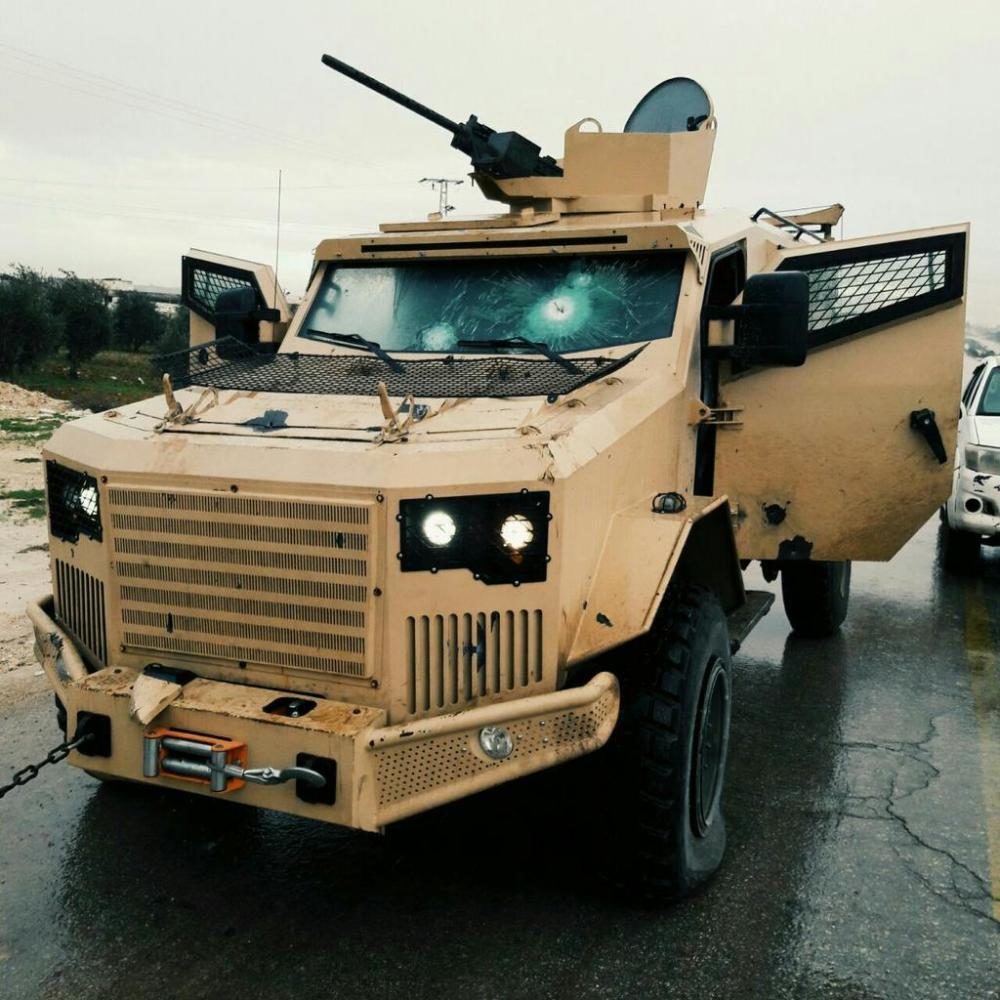
More on this: Most tanks, helicopters and some heavy weapons date back to the Cold War era, according to the Turkish Armed Forces inventory, proving that the NATO ally has been unable to import new technology for years.
The technology of these units is outdated With the end of the Cold War, unified Germany decommissioned its tank forces, and Turkey was one of several countries to buy second-hand Leopard 2s. Turkey operates a few hundred Leopard 2A4s, but the tank lacks many improvements, especially the additional weapons that other Leopard 2 operators such as Germany, Singapore and Sweden have added to their tanks.
In 2016, at least ten Turkish Leopard 2 aircraft were destroyed using anti-tank guided missiles in combat with Islamic State militants. Turkey is one of the few countries that not only flies the F-16, but also manufactures the aircraft
 Source: www.chathamhouse.org
The expertise gained led to the production of the country's first indigenous fighter jet, the T-FX A model of the fighter jet was presented at the Paris Air Show in the summer of 2019 Turkey was originally expected to replace older Block 30 F-16s with the F-35A, but Turkey's withdrawal from the Joint Strike Fighter program means the older aircraft will have to fly with upgrades until the T-FX is ready.
One of the main functions of SSM is to meet the needs of the defense industry, encourage new enterprises and guide them as per their integration and requirements, seek opportunities for foreign capital and technology contribution, reorganize the existing national industry and so on.
Integration is Plans for participation of enterprises and the state in this area Turkey operates fourteen Type 209 submarines, one of the largest submarine fleets in the Mediterranean. The boats were built from 1972 to 2002, and deliveries ended in 2008.
The first of six Type 209/1200 boats was sunk at 1,285 tons, armed with American Mark 37 torpedoes and capable of sinking at 22 knots. The last were delivered in 1990, making them very old, but half were due for renewal in 2010.
A second batch of eight Type 209/1400 boats entered service in 1994-2008. They were slightly larger, 1,586 tons under water, and armed with torpedoes made in Germany and Great Britain. Lockheed Martin describes the SOM-J as "highly secure, high-cost anti-surface warfare (ASuW) and for use against ground targets. These include surface-to-air missile (SAM) facilities, open-air craft, strategic assets, command and control centers and
including military ships. Like most cruise missiles, the SOM-J is powered by a turbojet and flies at subsonic speeds. It has a range of 155 miles and has a high-explosive warhead that is effective against hard targets. The main B61 nuclear gravity bomb weighs about 700 pounds.
| There are three tactical nuclear versions of the bomb: B61-3, B61-4, and B61-10, but it is unclear which model or models are stored in Turkey. The explosive power of the bombs varies from .3 kilotons to 170, 50, and 80 kilotons, respectively.
 Source: www.sott.net
(For comparison, the atomic bomb dropped on Hiroshima, Japan had a yield of 16 kilos.) After the end of World War I, the smuggling of machinery, artisans, and laborers from Istanbul and the surrounding area was a key to winning the war.
played a leading role. The small and simple workshops in Ankara, Konya, Eskişehir, Keşkin and Erzurum provided not only light weapons and ammunition, but laid the foundation for a strong local defense industrial base. The 2023 Vision, announced by Erdogan for the 100th anniversary of the Republic of Turkey, lists goals that include entering the world's top ten economies and becoming a self-sufficient country in terms of defense.
The 1970s saw a strong push to create a national defense industry The Armed Forces Fund was established as a national response to the arms embargo against Turkey. Although the fund established enterprises like Asselson, Havelson, Aspilson in lieu of donations, it was soon realized that the actual needs of the defense industry could not be met through the fund as per the current requirements.
After completing the required training, you will begin your career working with a team of engineering and technical professionals. From day one, you have access to a variety of advanced military vehicles, equipment and weapon systems
ଏକ ରାଜ୍ୟ ଉଦ୍ୟୋଗ ଭାବରେ ପ୍ରତିରକ୍ଷା ଯନ୍ତ୍ରପାତି ନିର୍ଦ୍ଦେଶାଳୟର ପ୍ରତିଷ୍ଠା ଏହି ଦିଗରେ ପ୍ରଥମ ପଦକ୍ଷେପ ଥିଲା | ଅବଶ୍ୟ, ଏହାର ରାଜ୍ୟ ସ୍ଥିତିରୁ ଆସିଥିବା ତ୍ରୁଟି ସଫଳତାକୁ ରୋକିଥିଲା ଏବଂ ଏହି ଉଦ୍ୟୋଗର ସମସ୍ତ ସମ୍ପତ୍ତି 1985 ରେ ଆଇନ ନମ୍ବର 3238 ଅନୁଯାୟୀ ପ୍ରତିଷ୍ଠିତ ପ୍ରତିରକ୍ଷା ଶିଳ୍ପ ପରାମର୍ଶଦାତା (SSM) କୁ ହସ୍ତାନ୍ତର କରାଯାଇଥିଲା |
209 ଦଶକର ସର୍ବ ପୁରାତନ six ଟି ନୂତନ ରିଏସ୍-ଶ୍ରେଣୀ ପ୍ରକାର 214 ବୁଡ଼ାଜାହାଜ ଦ୍ୱାରା ବଦଳାଯିବ | ଇଜମିରର ଗୋଲଜୁକ୍ ସିପିୟାର୍ଡ ଜର୍ମାନ ଲାଇସେନ୍ସ ଅଧୀନରେ ଏହି ବୁଡ଼ାଜାହାଜ ନିର୍ମାଣ କରେ | 214s 1,860 ଟନ୍ ସ୍ଥାନାନ୍ତରିତ କରେ ଏବଂ ଆମେରିକୀୟ Mk ଲଞ୍ଚ କରିବା ପାଇଁ ଆଠ 533 ମିମି ଟର୍ପେଡୋ ଟ୍ୟୁବ୍ ସହିତ ସଜ୍ଜିତ |
48 ଟର୍ପେଡୋ ଏବଂ ହରପନ୍ ଆଣ୍ଟି-ଜାହାଜ କ୍ଷେପଣାସ୍ତ୍ର | ପୂର୍ବ ବୁଡ଼ାଜାହାଜଗୁଡ଼ିକ ଉପରେ ଏକ ଗୁରୁତ୍ୱପୂର୍ଣ୍ଣ ଅପଗ୍ରେଡ୍ ହେଉଛି ଏକ ଏୟାର ସ୍ Independ ାଧୀନ ପ୍ରପୁଲସନ୍ (AIP) ସିଷ୍ଟମ୍ ସ୍ଥାପନ ଏବଂ ଇନ୍ଧନ କୋଷ ଉପରେ six ଟି ନଟ୍ ବେଗରେ ଗତି କରିବାର କ୍ଷମତା | ତୁର୍କୀ ଜାହାଜ କାରଖାନା 2015 ରେ ପ୍ରଥମ ଜାହାଜ ନିର୍ମାଣ ଆରମ୍ଭ କଲା |
F-35 କାର୍ଯ୍ୟକ୍ରମରେ ତୁର୍କୀର ଅବଦାନର ଏକ ଅଂଶ ଭାବରେ ତୁର୍କୀର ପ୍ରତିରକ୍ଷା କଣ୍ଟ୍ରାକ୍ଟର ରୋକେଟସନ ଲକହିଡ ମାର୍ଟିନଙ୍କ ସହ SOM (ଷ୍ଟାଣ୍ଡ ଅଫ ମିସାଇଲ) କ୍ରୁଜ କ୍ଷେପଣାସ୍ତ୍ରର ବିକାଶ ପାଇଁ ସହଯୋଗ କରିଛନ୍ତି। SOM ହେଉଛି ତୁର୍କୀର ପ୍ରଥମ କ୍ରୁଜ୍ କ୍ଷେପଣାସ୍ତ୍ର ଯାହାକି ସ୍ଥଳ ଏବଂ ସମୁଦ୍ର ଲକ୍ଷ୍ୟ ଉପରେ ଆକ୍ରମଣ କରିବା ପାଇଁ ପରିକଳ୍ପିତ |
ଅନେକ ସଂସ୍କରଣ ବିକାଶରେ ଅଛି, କିନ୍ତୁ ସବୁଠାରୁ ଉନ୍ନତ ବୋଧହୁଏ SOM-J | SOM-J କୁ ଶତ୍ରୁ ରାଡାର ବିରୁଦ୍ଧରେ ବିମାନର ଗୁପ୍ତ ପ୍ରୋଫାଇଲ୍ ବଜାୟ ରଖିବା ସହିତ F-35 ମିଳିତ ଷ୍ଟ୍ରାଇକ୍ ଯୁଦ୍ଧ ବିମାନର ଅସ୍ତ୍ରଶସ୍ତ୍ରରେ ବହନ କରିବାକୁ ଡିଜାଇନ୍ କରାଯାଇଛି | ଏହି କ୍ଷେପଣାସ୍ତ୍ରକୁ ବିଭିନ୍ନ ପ୍ରକାରର ଯୁଦ୍ଧ ବିମାନ, ବିଶେଷ ଭାବରେ F-16 ଯୁଦ୍ଧ ବିମାନ ଦ୍ୱାରା ବାହ୍ୟ ପରିବହନ ପାଇଁ ଡିଜାଇନ୍ କରାଯାଇଛି |
armed forces of turkey, turkish armed forces weapons, turkish armed forces equipment, equipment of the turkish army, turkey military equipment, size of turkish military, turkey military weapons, turkish army weapons